Common Mistakes When Using Portable Air Coolers and How to Avoid Them
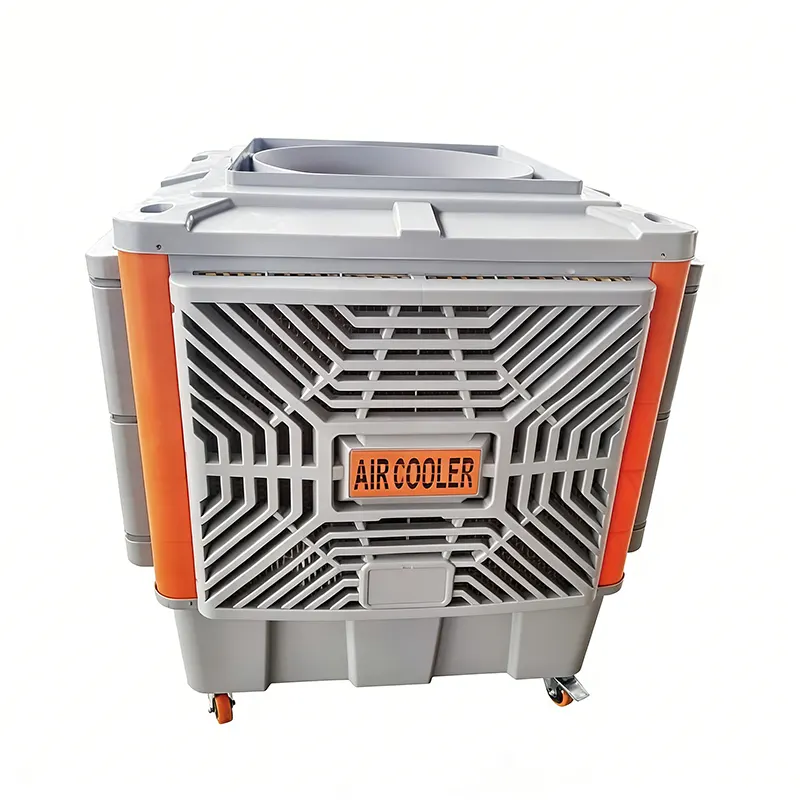
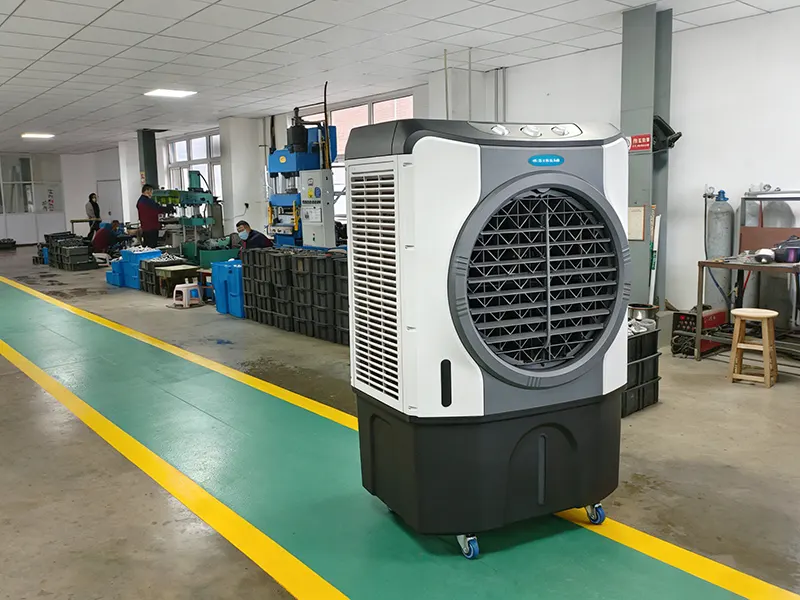
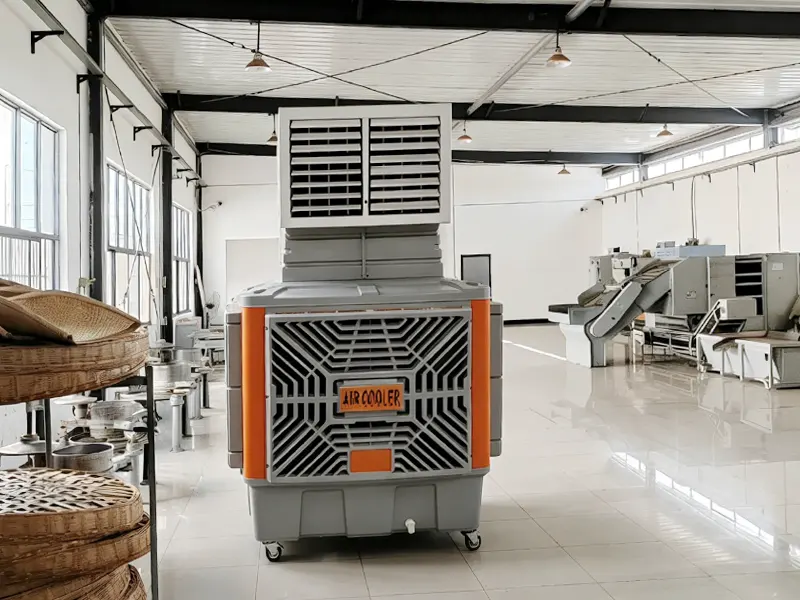
Portable air coolers are widely used in factories, workshops, warehouses, commercial spaces, and semi-open working areas where flexible cooling is required. They can improve comfort without the installation work associated with traditional air conditioning. However, their performance depends heavily on how they are selected, positioned, and maintained. A few common mistakes can reduce cooling efficiency, increase operating costs, and shorten equipment service life. One frequent mistake is choosing a portable air cooler based only on its appearance or price. Different models provide different airflow capacities, and a unit that works well in a small workshop may not be suitable for a large production area. Before purchasing equipment, users should consider the size of the space, ceiling height, heat generated by machinery, and the number of people working in the area.
Another common problem is placing the cooler in a location with insufficient fresh air. Evaporative air coolers work by passing air through water-saturated cooling pads, which lowers the air temperature through evaporation. This process performs best when the surrounding environment allows fresh air to enter and warm air to escape. Using the equipment in a completely enclosed room may result in rising humidity and less satisfactory cooling. Incorrect positioning can also affect performance. Some users place portable air coolers behind equipment, close to walls, or in corners where airflow is restricted. These obstacles prevent cooled air from reaching the areas where it is needed. For better results, the cooler should be positioned with enough clearance around its air intake and outlet, allowing air to circulate freely throughout the working space.
Ignoring the local climate is another mistake. Evaporative cooling generally performs more effectively in hot, dry conditions than in environments with high humidity. When the air already contains substantial moisture, evaporation becomes less effective. Businesses should evaluate their local weather conditions and indoor humidity levels before selecting an air cooling solution, particularly for facilities that operate throughout the year. Some users also expect portable air coolers to perform exactly like conventional air conditioners. These systems use different cooling principles and are designed for different operating conditions. An evaporative cooler supplies a stream of cooled, humidified air rather than maintaining a precisely controlled room temperature in every situation. Understanding this distinction helps businesses establish realistic expectations and choose equipment suited to their working environment.
Poor maintenance is another factor that can gradually reduce cooling performance. Dust, fibers, and other airborne particles may accumulate on cooling pads, filters, and protective grilles. These deposits restrict airflow and interfere with evaporation. Regular inspection and cleaning help maintain efficient operation. Users should follow the manufacturer's instructions for cleaning components and replacing parts when necessary. Water management should not be overlooked either. Low water levels, blocked water distribution lines, or dirty water can prevent cooling pads from becoming evenly saturated. This may lead to inconsistent cooling and unpleasant odors. Operators should check the water supply system regularly, clean the reservoir as recommended, and ensure that water circulates properly during operation.
Electrical safety is equally important. Portable air coolers used in industrial environments may operate for extended periods and sometimes face dust, vibration, or moisture. Damaged cables, loose connections, and unsuitable power supplies can create avoidable risks. Equipment should be connected according to its rated electrical requirements, and any damaged components should be inspected by qualified personnel before the cooler returns to service. Another mistake is overlooking the relationship between ventilation and cooling. Even a powerful unit cannot deliver satisfactory results if hot air remains trapped inside the building. Opening suitable doors, windows, or exhaust ventilation points can help remove accumulated heat and support continuous air movement. The ventilation arrangement should be planned according to the facility layout and production requirements.
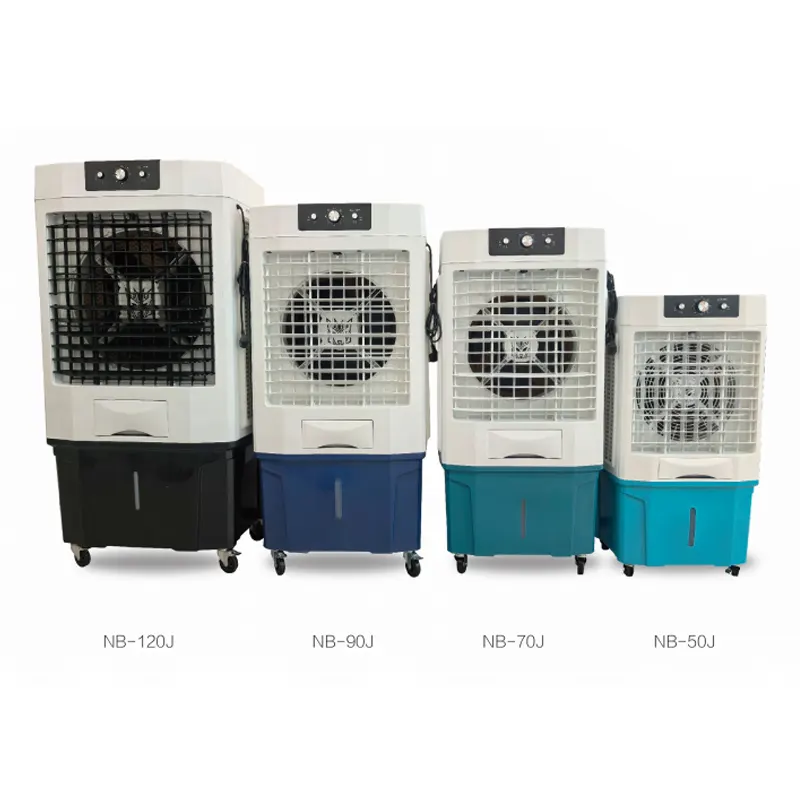
Businesses should also avoid operating portable air coolers continuously without checking whether their settings match actual conditions. Fan speed, water supply, and operating time can all influence performance and energy consumption. Adjusting these settings according to occupancy, outdoor temperature, and production activity can help maintain comfortable working conditions without unnecessary operation. Choosing the right supplier is the final step toward avoiding many of these problems. JIANGYIN NOBLE ELECTRICAL CO., LTD., established in 1997, manufactures portable air coolers with airflow capacities ranging from 2,000 to 23,000 m³/h, alongside industrial and large stainless-steel air cooling series. By matching equipment capacity to site conditions and following proper installation and maintenance practices, businesses can obtain more reliable cooling performance and make better use of their investment.