How Water Quality Impacts Evaporative Cooling Efficiency
Water quality plays an important role in the performance of evaporative air coolers. While airflow capacity and cooling pad design often receive the most attention, the condition of the water circulating through the system can also affect cooling efficiency, equipment reliability, and maintenance requirements. For factories, warehouses, workshops, and other industrial facilities, understanding this relationship helps operators maintain stable cooling performance over time. Evaporative air coolers lower air temperature by drawing warm air through cooling pads that are continuously supplied with water. As the water evaporates, it absorbs heat from the passing air, producing a cooling effect. For this process to work effectively, water must be distributed evenly across the pad surface. Poor water quality can interfere with this process, reducing the efficiency of heat exchange and limiting the benefits of the cooling system.
One of the most common concerns is water hardness. Hard water contains elevated concentrations of dissolved minerals, particularly calcium and magnesium. When water evaporates, these minerals remain behind and may gradually form scale deposits on cooling pads, water distribution pipes, and other internal components. As the deposits accumulate, they can restrict water flow and prevent the pads from remaining uniformly wet. Mineral buildup can also shorten the service life of cooling pads. Deposits may block small openings in the pad material, reducing the surface area available for water evaporation. In severe cases, uneven wetting creates areas where air passes through less effectively cooled material. Regular inspection helps operators identify early signs of scaling before the problem significantly affects cooling performance.
Water containing excessive suspended particles presents another challenge. Sand, dust, rust, and other impurities may enter the water supply or accumulate inside the reservoir. These particles can obstruct filters, clog water distribution systems, and settle at the bottom of the tank. If sediment is allowed to build up, the circulation system may require more frequent cleaning and maintenance to maintain reliable operation. Water quality can also influence odor and hygiene inside the cooler. Warm water that remains stagnant for extended periods may encourage microbial growth, particularly when organic matter and dirt accumulate in the reservoir. This can produce unpleasant odors and create additional cleaning requirements. Appropriate water replacement, reservoir cleaning, and maintenance practices help reduce these problems. Operators should follow the equipment manufacturer's recommendations for water treatment and hygiene.
The source of the water should therefore be considered before an evaporative cooling system is put into regular operation. Municipal water, well water, and recycled water may differ significantly in mineral content, suspended solids, and other characteristics. Water that appears clean is not necessarily free from dissolved minerals. Where scaling or contamination is a concern, water testing can help determine whether filtration or another suitable treatment method is necessary. Routine maintenance is one of the most practical ways to manage water-related problems. Operators should inspect cooling pads, clean the water reservoir, check filters, and confirm that the distribution system supplies water evenly. The cleaning frequency should depend on water quality, operating hours, environmental conditions, and the manufacturer's instructions. A consistent maintenance schedule can prevent minor deposits from developing into more serious performance issues.
Water management practices can further improve reliability. Replacing accumulated water when recommended, removing sediment, and preventing unnecessary contamination help keep the circulation system in better condition. In areas with particularly hard water, suitable water treatment or controlled water discharge may help limit mineral accumulation. Any treatment method should be selected carefully to avoid damaging equipment materials or interfering with the cooling process. It is also important to understand that water quality is only one part of evaporative cooling performance. Outdoor humidity, ambient temperature, ventilation, airflow, and cooler placement all influence the final cooling effect. Even with clean water and well-maintained pads, an evaporative cooler may deliver less noticeable temperature reduction in humid conditions. Evaluating the entire operating environment allows businesses to identify the most effective improvements.
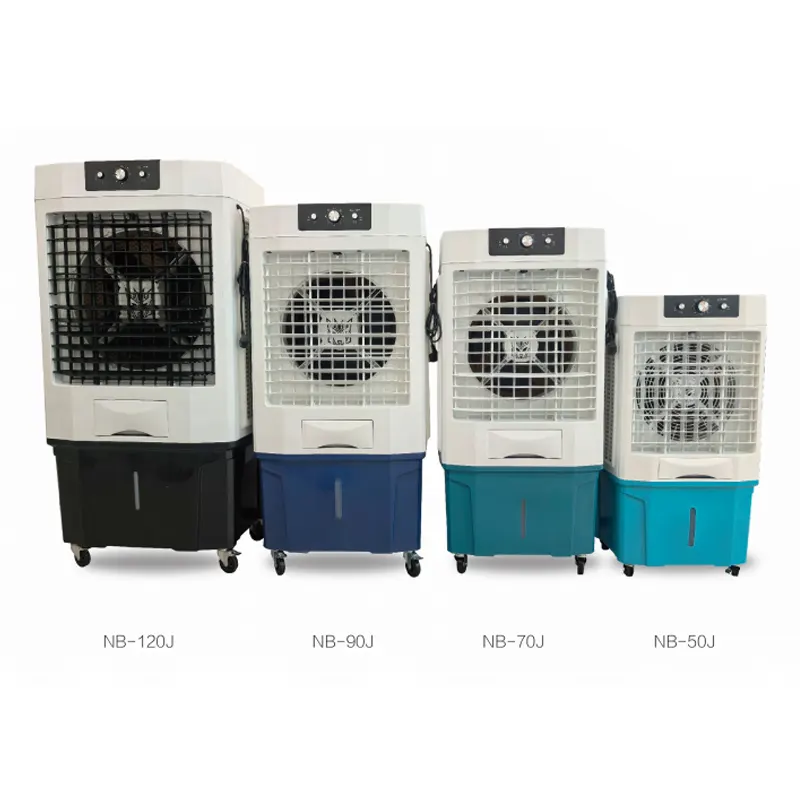
Selecting equipment that suits the working environment is equally important. Facilities should consider expected operating hours, airflow requirements, available water quality, and the level of maintenance their teams can provide. Clear operating procedures and staff training also help ensure that water systems are checked consistently rather than only when cooling performance deteriorates. JIANGYIN NOBLE ELECTRICAL CO., LTD., established in 1997, manufactures portable air coolers with airflow capacities ranging from 2,000 to 23,000 m³/h, industrial air coolers from 18,000 to 50,000 m³/h, and large stainless-steel air cooling units from 40,000 to 100,000 m³/h. By combining suitable equipment selection with proper water management and regular maintenance, businesses can support dependable evaporative cooling performance across a wide range of industrial and commercial applications.