Best Cooling Practices for Metal Processing Workshops
Metal processing workshops are among the most demanding industrial environments when it comes to temperature control. Equipment such as welding machines, cutting systems, furnaces, presses, CNC machines, and heat treatment equipment continuously generate large amounts of heat. Combined with heavy machinery, limited ventilation, and physically demanding work, these conditions can quickly create an uncomfortable and potentially unsafe workplace. Implementing effective cooling practices helps improve worker comfort, maintain productivity, and support efficient manufacturing operations. One of the first steps in cooling a metal processing workshop is understanding the primary sources of heat. Industrial equipment, motors, compressed air systems, and direct sunlight entering through roofs or windows all contribute to rising indoor temperatures. Identifying these heat sources allows facility managers to develop a cooling strategy that targets the areas where it is needed most.
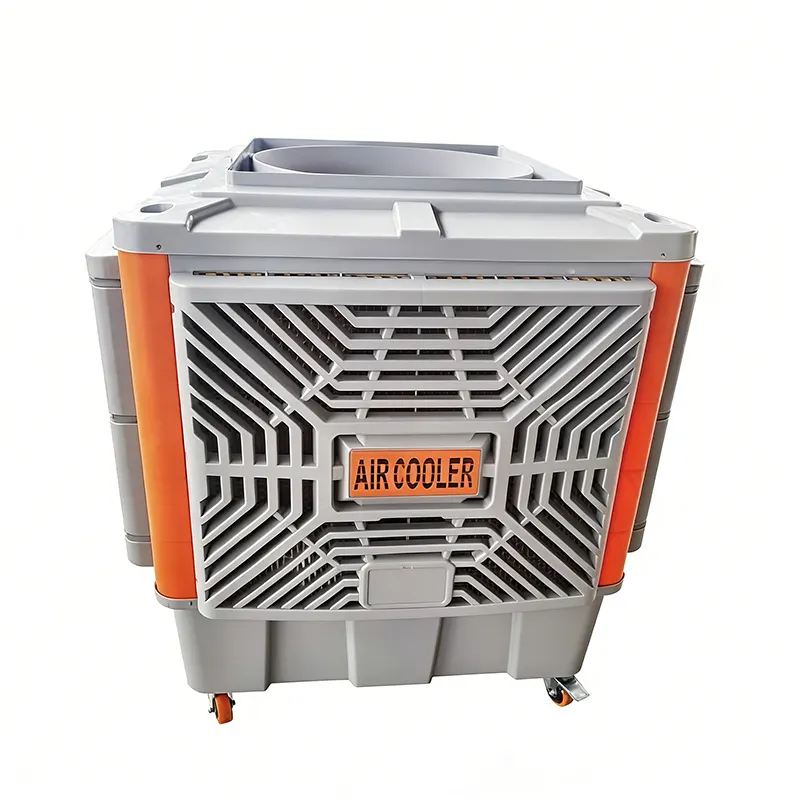
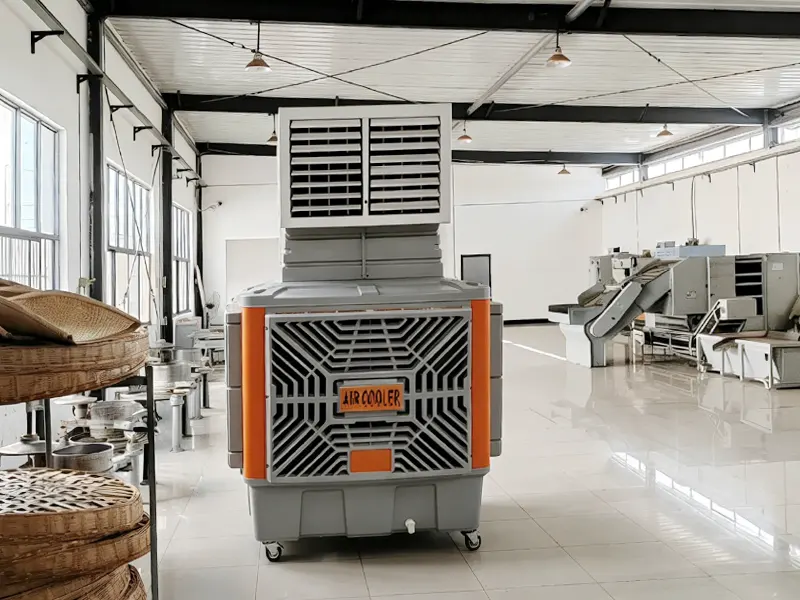
Improving ventilation is one of the most effective ways to control heat buildup. Proper airflow removes hot, stagnant air while bringing in cooler outdoor air. Installing industrial air coolers near production zones and combining them with natural or mechanical ventilation creates continuous air circulation throughout the workshop. This approach helps prevent heat from accumulating around machinery and workstations. Industrial air coolers are particularly well suited for metal processing facilities because they use evaporative cooling technology to deliver a steady supply of fresh, cooled air. Unlike traditional air conditioning systems, which are often inefficient in large or semi-open workshops, evaporative air coolers perform well even when loading doors remain open or equipment generates continuous heat. Their energy-efficient operation also helps reduce overall operating costs.
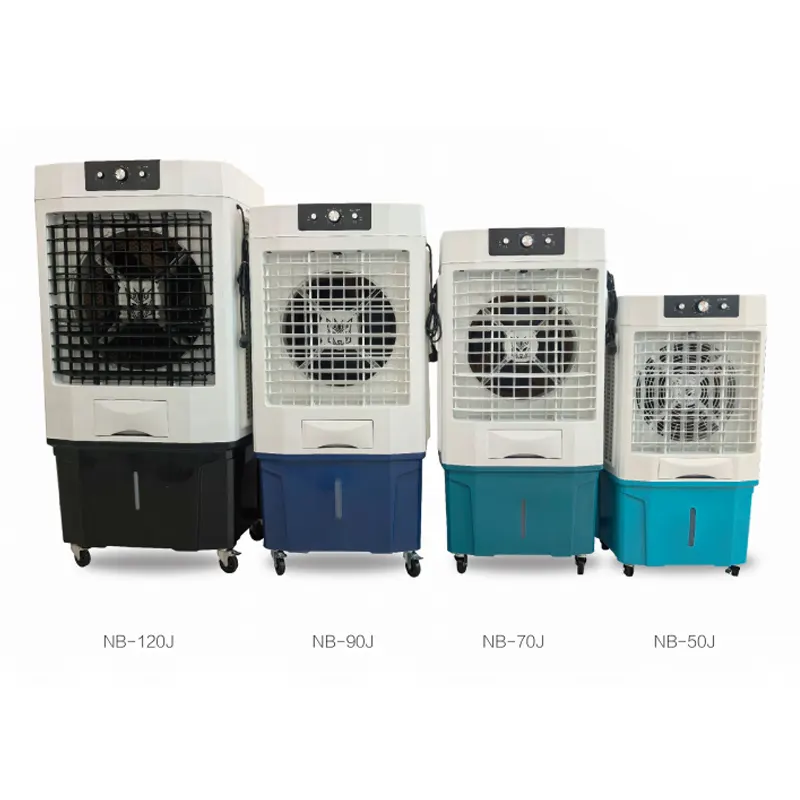
Workstation-focused cooling can further improve employee comfort. Instead of attempting to cool the entire building uniformly, facilities can position portable air coolers or direct airflow toward areas where employees spend the most time, such as welding stations, assembly lines, inspection areas, or machine operation zones. Targeted cooling maximizes effectiveness while minimizing energy consumption. Managing airflow direction is equally important. Air coolers should be installed to create a consistent flow of fresh air across occupied work areas without blowing directly onto heat-sensitive equipment or creating obstructions. Proper airflow planning ensures that cooled air reaches employees while efficiently pushing warm air toward exhaust openings.
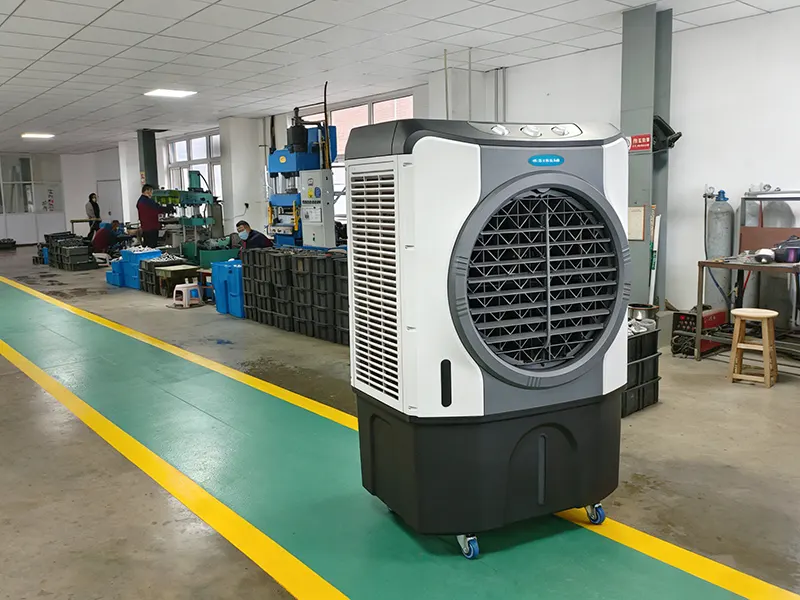
Routine maintenance of cooling equipment plays a key role in maintaining reliable performance. Cooling pads, water distribution systems, filters, and fan components should be inspected and cleaned regularly to ensure optimal airflow and cooling efficiency. Preventive maintenance also helps reduce unexpected downtime during periods of peak demand. Reducing heat generated inside the workshop can complement cooling efforts. Well-maintained machinery generally operates more efficiently and produces less excess heat. Insulating high-temperature equipment, repairing compressed air leaks, and scheduling preventive maintenance all contribute to lowering the overall thermal load within the facility.
Building improvements can also enhance cooling performance. Installing roof insulation, reflective roofing materials, wall insulation, and exterior shading helps reduce solar heat gain throughout the day. These measures lessen the cooling demand on air cooling systems and contribute to a more stable indoor temperature. Hydration and employee work practices remain important parts of heat management. Providing easy access to drinking water, scheduling regular rest breaks during extremely hot conditions, and educating workers about the signs of heat-related illness help create a safer working environment. Engineering controls such as industrial air coolers are most effective when combined with good workplace health and safety practices.
Selecting the appropriate airflow capacity is critical for achieving effective cooling. Workshop size, ceiling height, equipment density, occupancy, and production processes should all be considered when choosing an industrial air cooler. A properly sized system delivers sufficient air volume to maintain comfort while operating efficiently and avoiding unnecessary energy use. At JIANGYIN NOBLE ELECTRICAL CO., LTD., we manufacture industrial air coolers, portable air coolers, and large stainless-steel air coolers designed for demanding industrial applications. With airflow capacities ranging from 2,000 m³/h to 100,000 m³/h, our cooling solutions help metal processing workshops improve ventilation, reduce heat stress, enhance worker productivity, and lower energy costs. By combining efficient evaporative cooling with thoughtful workshop design and regular equipment maintenance, manufacturers can create safer and more productive working environments even under challenging operating conditions.