How Regular Cleaning Extends the Life of Air Cooling Equipment
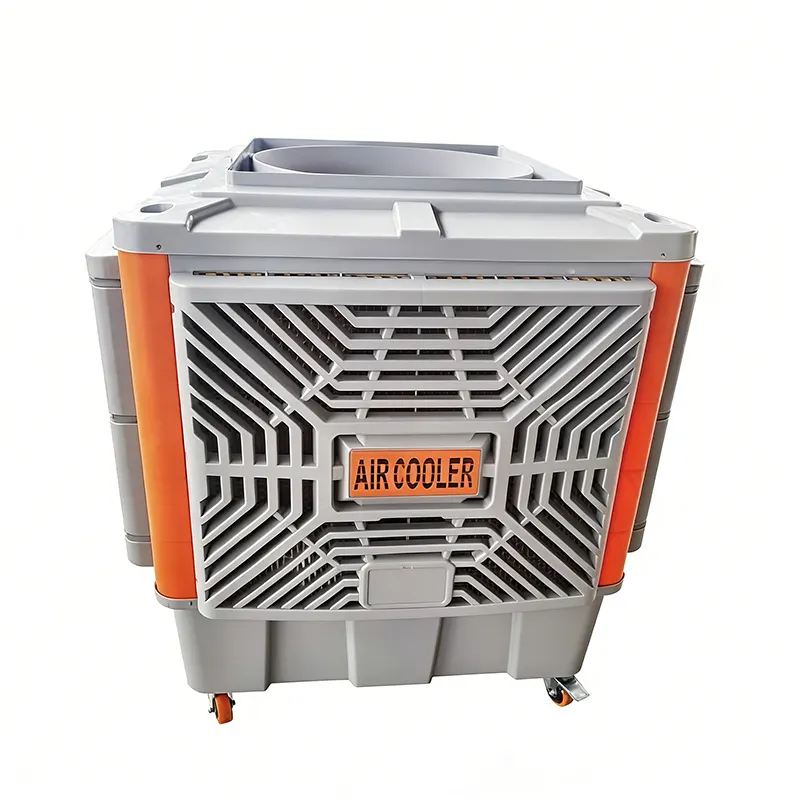
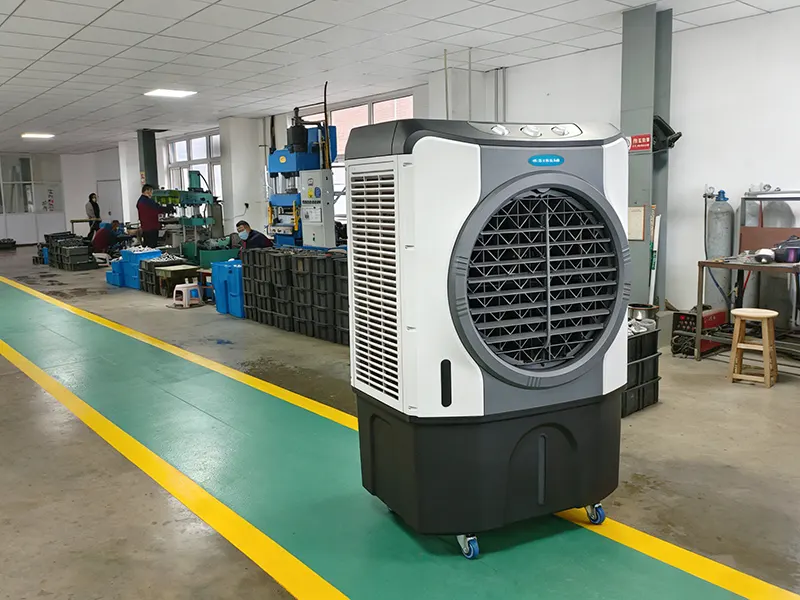
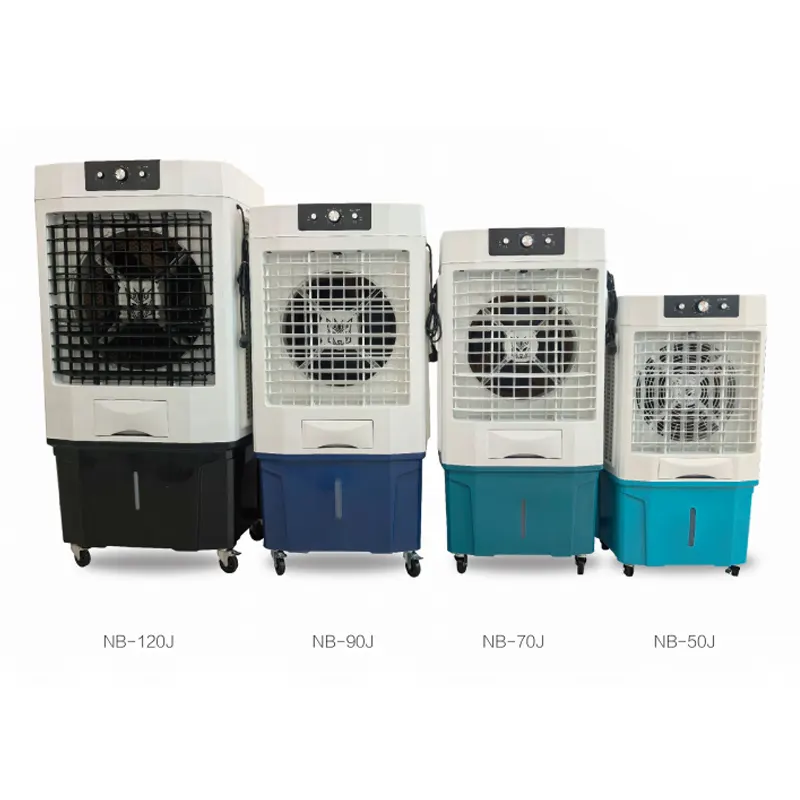
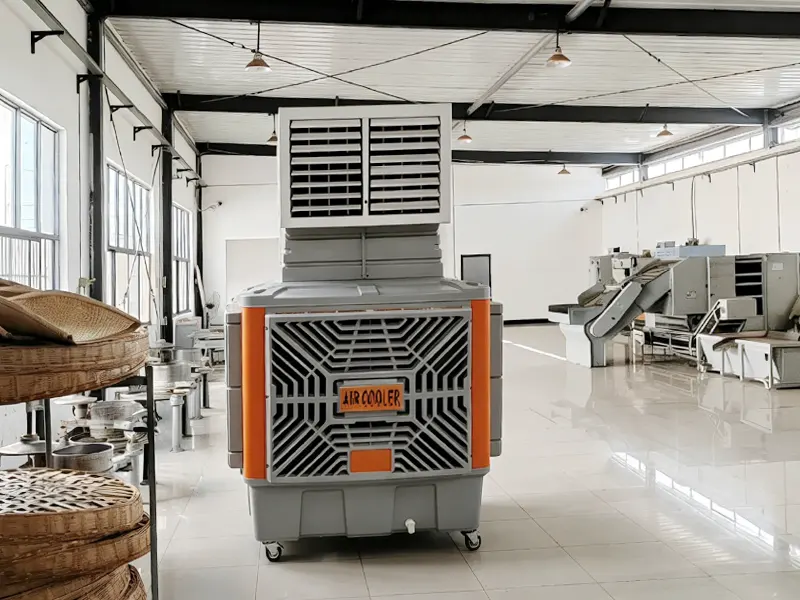
Air cooling equipment plays an important role in maintaining comfortable working conditions in factories, warehouses, workshops, and other industrial facilities. However, like any mechanical system, industrial air coolers require regular care to maintain reliable performance. Among all maintenance activities, cleaning is one of the simplest and most effective ways to extend equipment lifespan, improve cooling efficiency, and reduce unexpected repair costs. Industrial air coolers operate by continuously moving large volumes of air through cooling components. During daily operation, dust, dirt, airborne particles, and mineral deposits can accumulate on cooling pads, air inlets, filters, fans, and water circulation components. If these contaminants are not removed regularly, they can gradually reduce airflow, increase system resistance, and affect overall cooling performance.
The cooling pads are one of the most important components in an evaporative air cooler. These pads allow water to evaporate and absorb heat from incoming air. However, dust buildup and mineral deposits can block the surface of the pads, reducing water absorption and evaporation efficiency. Regular cleaning helps keep the cooling pads open and ensures that the equipment continues to deliver effective cooling performance. A clean cooling pad also reduces the workload on other components. When airflow becomes restricted due to dirty pads, fans and motors must work harder to maintain the required air volume. This additional strain can increase energy consumption and accelerate mechanical wear. Keeping cooling components clean allows the system to operate smoothly with less stress on internal parts.
The fan system is another area where regular cleaning provides significant benefits. Industrial environments often contain dust, fibers, metal particles, and other airborne contaminants that can accumulate on fan blades and protective covers. Dirty fan blades may create imbalance, vibration, and reduced airflow. Cleaning these components helps maintain stable operation and reduces the risk of motor damage. Water circulation systems also require attention during cleaning and maintenance. Industrial air coolers rely on pumps, pipes, and water distribution systems to keep cooling pads continuously wet. Over time, mineral deposits and impurities can block water pathways, resulting in uneven water distribution. Regular cleaning prevents clogging and helps maintain consistent cooling performance.
Clean equipment also contributes to better indoor air quality. Since industrial air coolers supply fresh air into working areas, accumulated dust and contaminants inside the system may affect the quality of delivered air. Regular cleaning of air filters, cooling pads, and internal surfaces helps provide cleaner airflow and creates a healthier workplace environment for employees. Preventing corrosion is another advantage of routine cleaning. Industrial air coolers often operate in humid conditions where moisture and contaminants can accelerate corrosion of metal components. Removing dirt, mineral deposits, and stagnant water helps protect equipment surfaces and extends the service life of structural parts.
Regular cleaning can also reduce long-term maintenance expenses. Small problems caused by dirt accumulation can eventually develop into larger issues, including pump failure, motor damage, reduced cooling capacity, and increased energy consumption. Preventive cleaning allows operators to identify potential problems earlier and avoid costly repairs or production interruptions. The frequency of cleaning depends on the operating environment. Air coolers used in metal processing workshops, textile factories, construction areas, and dusty warehouses may require more frequent cleaning than units operating in cleaner environments. Establishing a maintenance schedule based on working conditions ensures that equipment remains in good condition throughout the year.
Proper cleaning procedures are important to avoid damaging equipment components. Operators should follow manufacturer recommendations when cleaning cooling pads, electrical components, fans, and water systems. Using suitable cleaning methods and inspecting parts during maintenance can help maintain both performance and safety. In addition to regular cleaning, operators should combine cleaning with other maintenance practices such as checking water levels, inspecting electrical connections, lubricating moving parts, and monitoring airflow performance. A complete maintenance program ensures that industrial air cooling systems continue operating efficiently for many years.